
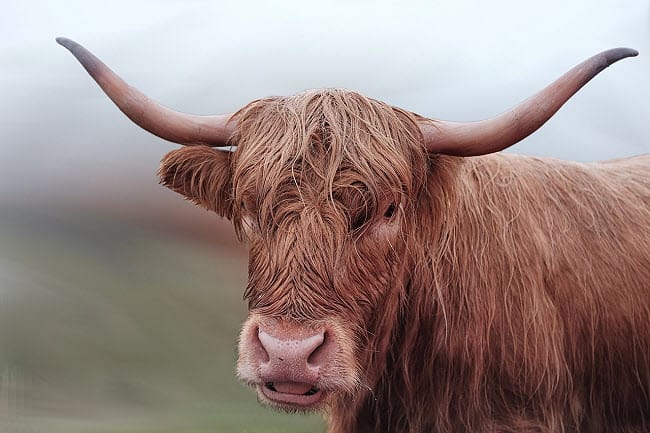
The hall was comfortably full for our 22nd February Talk and Tea. Neil Hulme provided his personal views on the question of rewilding, supported with useful facts and illustrations. He was clear: conventional conservation has its place besides rewilding. He is encouraged by our conservation work on Chantry Hill as an example. Rewilding may take different forms and is only appropriate in some areas, such as low grade agricultural land and grouse moors: horses for courses. The benefits of rewilding can be many, including wildlife recovery, the locking up of carbon, reduction of flooding, cleaner air and soil restoration. What may be unsightly scrub over time encourages trees to grow. It is also now recognised that rewilding is good for our mental wellbeing. Neil focussed on the example of Knepp to outline the methodology. He pointed out, according to Dr Frans Vera, that after the ice age, large herbivores recolonised the land before forests developed, so Old English Longhorns were introduced at Knepp as proxies for Aurochs, pigs for wild boars and Exmoor ponies for their wild forebears. They prepared the ground for useful vegetation. Other large animals now inhabit Knepp – red deer, fallow deer, roe deer as well as beavers. The result is a wonderful increase of wildlife from dung beetles (benefitting from chemical free dung!), to animals and birds (including turtle doves and storks), bats and butterflies, of which 38 species have been counted, such as the purple emperor. The many pictures he showed were outstanding, particularly those of the butterflies. Questions followed the talk, then tea and cake.
The restoration of heathland at Sullington Warren continued on Thursday 27th February. Ground was cleared to improve habitat for a range of native species. On 1st March we worked on Chantry Hill to continue the preservation of the ancient grassland by clearing self seeded saplings. We next meet at Chanctonbury Leisure Centre car park, on 5th April at 10.00am, for the annual spring clean – clearing litter from popular local paths and byways. An amazing thing about litter is that it breeds! But it can’t if nothing is dropped: leave it lying and it multiplies. This work is sadly necessary and of real benefit. All welcome to come and help, be amazed at what you find!
For information about this and our other activities, or on becoming a member, or offering advice, please get in touch with Chairman Mick Denness on 01903 745971, or see our website: www.storringtonconservation.org.uk.
Submitted to the Storrington Community Website using the News Item contact form.